
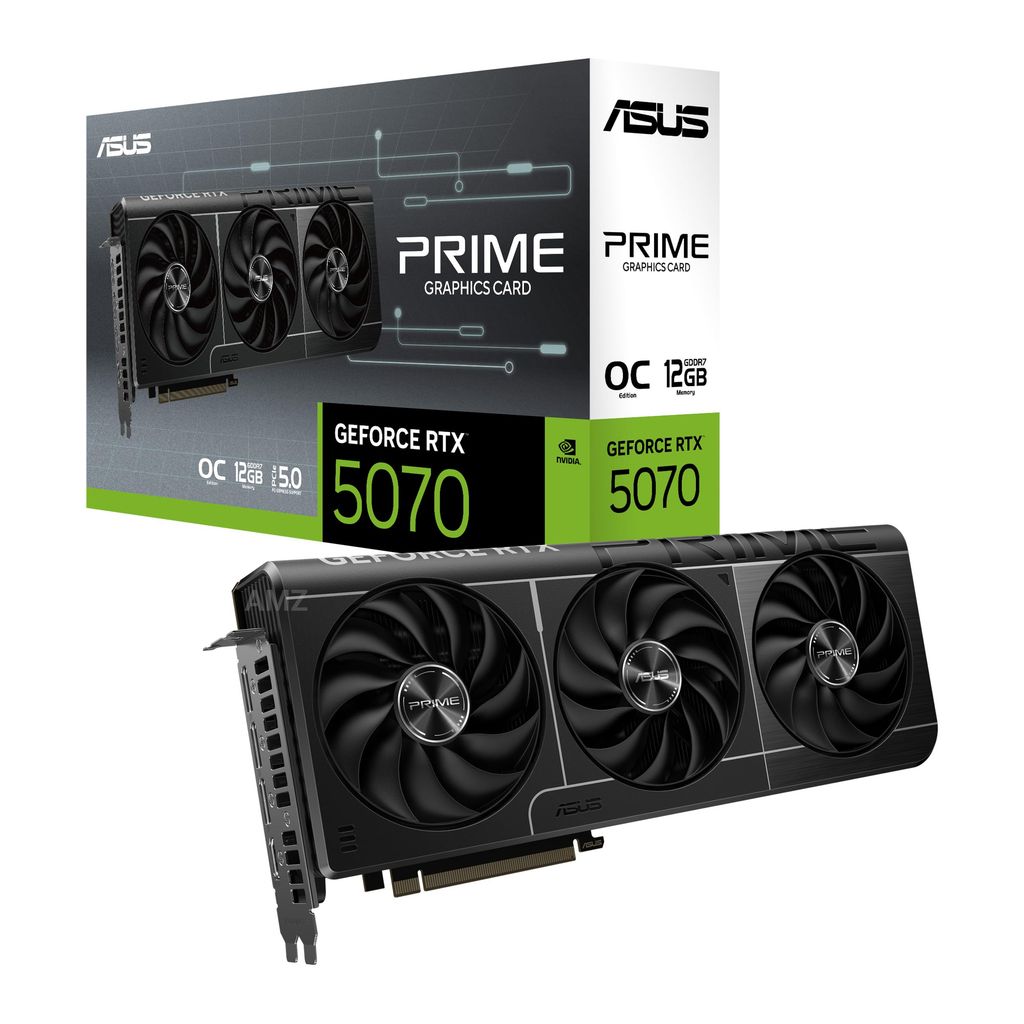
What you're actually buying here
This is a second-hand card sold through Amazon's own resale programme, graded 'Like New'. That means it's been returned, inspected, and repackaged. It could have been opened and sent back within a returns window. It could have seen a few weeks of use. Amazon doesn't tell you which, and that ambiguity is the central problem with buying a GPU this way.
The card itself is the ASUS Prime variant of Nvidia's RTX 5070, part of the new Blackwell generation. Twelve gigabytes of GDDR7, solid thermals from ASUS's triple-fan cooler, and enough headroom for 1440p gaming with ray tracing or 4K at more forgiving settings. Not the top of the range, but a serious card.
The price in context
At £432, you're looking at a meaningful discount versus new retail if stock were available at MSRP, which it frequently isn't. The 5070 has been hard to find at sensible prices since launch. So the resale route is, grudgingly, one of the more rational ways in right now.
The honest weakness of the GPU second-hand market generally: you have no visibility into how hard the card was pushed. Mining stress, prolonged gaming loads, poor airflow setups - none of that shows up in a cosmetic inspection.
Who this actually makes sense for
If you're upgrading from a 3070 or older and you're comfortable with Amazon's 30-day return window as your safety net, this is defensible. If you're replacing a dead card urgently, or if you'd lose sleep over the provenance, buy new and wait for stock. The saving is real, but so is the uncertainty.


